
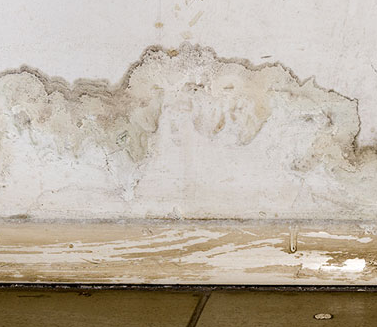
Although it is known as one of Mother Nature’s most powerful filters, water can be extremely detrimental. Even the tiniest of leaks left unchecked can leave one staring at an eroded foundation or sagging walls. Mold Removal CT
Unfortunately, water doesn’t always require repeated exposure to create problems. Anyone that’s ever dealt with a burst water main or flooding can attest to that fact. A lot of water at one time can be as damaging and even worse in some scenarios.
Mudslides, land erosion, and uprooting trees are just to name a few examples. However, it is oftentimes the potential unnoticeable effects that are the most damaging.
However, it’s the oftentimes overlooked potential of mold growth that becomes the biggest threat.
The Prevention Of Mold After Water Damage
After experiencing water damage, most homeowners make the mistake of assuming that replacing the impacted materials is all that needs to be done. Although this is certainly a good starting point, it doesn’t even begin to rectify the whole problem.
Once exposed to water, depending on other environmental conditions, it can take anywhere from 24 to 48 hours for the growth of mold. Therefore, it is essential to start the cleanup and mold prevention as soon as possible.
Your first call might be to your insurance provider, but without question, your following call should be to a reliable mold removal company like Mold Removal CT. The unmatched team of experts has the means and tools to gain access to even the most isolated properties. Plus, they have the equipment and knowledge to implement mold prevention techniques effectively.
Do not be mistaken because mold removal and mold prevention are two entirely different things. Once mold has formed on a surface, it becomes a living, breathing entity which makes it much harder and more dangerous to deal with.
Properly Preventing Mold Growth
Mold removal has become a major business over the years. While there are now vast resources available, a quick response is key. Researching online can provide any DIY homeowner with the tools he or she needs to safely and properly remove mold.
However, getting to that information and properly utilizing it in the field takes patience and precision. This is time that you likely don’t have! Once an indoor area is exposed to water, it will require the immediate implementation of specific mold prevention techniques.
Extraction Of Water: While it is probably obvious that any standing water will need to be immediately dealt with, the actual removal task might turn out to be much more complicated than some would imagine. Depending on the location and severity, the removal might require pumps, wet/dry vacuums, and other essentials. With the potential for live electricity and electrocution, the need for a professional should become more apparent.
Venting And Dehumidifying: Removing the damaged materials and water will make a world of difference, but it’s just the beginning. It is not enough to remove and replace the exposed materials. The remaining moisture could lead to future problems. Mold requires moisture to grow, and the only way to properly remove it is with ventilation. Fans and dehumidifiers become essential